Everyone knows that a permit is required to possess and/or carry a firearm for self-defense. However, there is a lot of confusion when it comes to other means of self-defense. Many people wonder what is the permissible length of a knife blade or is it legal to carry a knife at all. People also wonder if it is legal to carry brass knuckles, pepper spray or a taser.
The myth of knife blade length
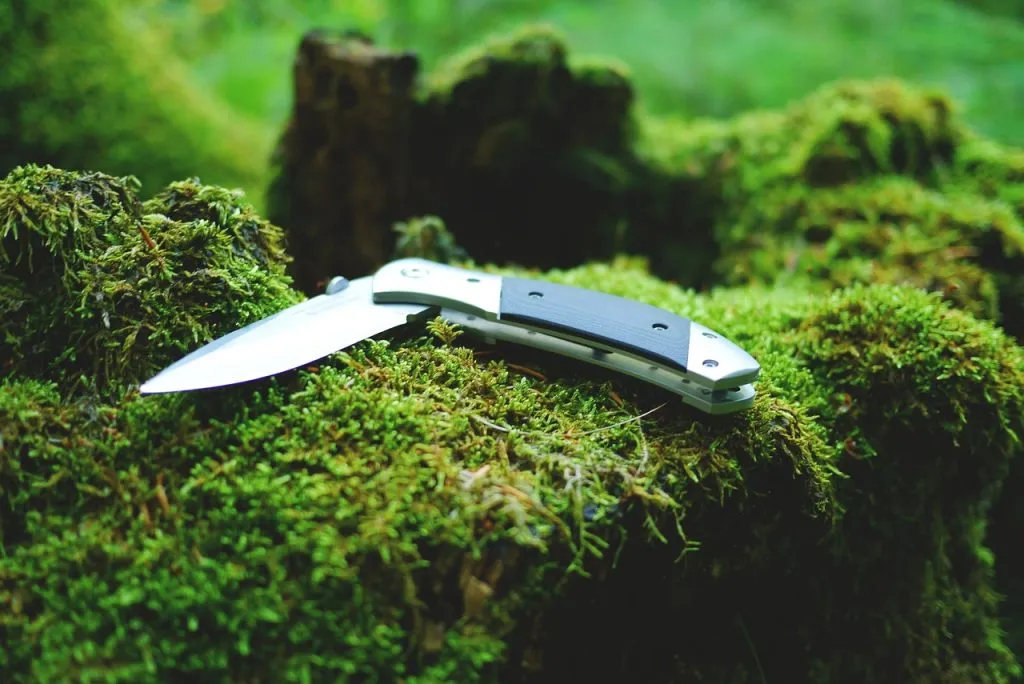
Contrary to popular belief, there is no permissible length of a knife blade. It is forbidden to carry any dagger (knife) whose primary purpose is attack, regardless of its size, blade length or opening mechanism. Therefore, even the smallest knife can be treated as a prohibited weapon if it is determined that it is it's purpose.
Brass knuckles and other cold weapons
In addition to daggers (knives), it is prohibited to carry a boxer, dagger, saber, bayonet and any other object (e.g. machete) whose primary purpose is to attack. In other words, it is prohibited to carry a cold weapon. A person carrying a cold weapon may be charged with a misdemeanor, which can result in a large fine or prison sentence. It is in these situations that the professional defense of an attorney becomes crucial in order to avoid the most severe sanctions through proper legal qualification.
On the other hand, the acquisition and possession of cold weapons is not prohibited, except for persons under the age of 16.
Allowed means of self-defense
In addition to the firearms for which a permit is required, there are only two means that are permissible for self-defense use. These are: gas sprays (so-called pepper sprays) and devices for causing electric shocks (so-called tasers).
A pepper sprays and tasers can be carried by any adult without permit. Gas spray can also be carried by a minor from the age of 16.
Is carrying a knife or other cold weapon always a misdemeanor?
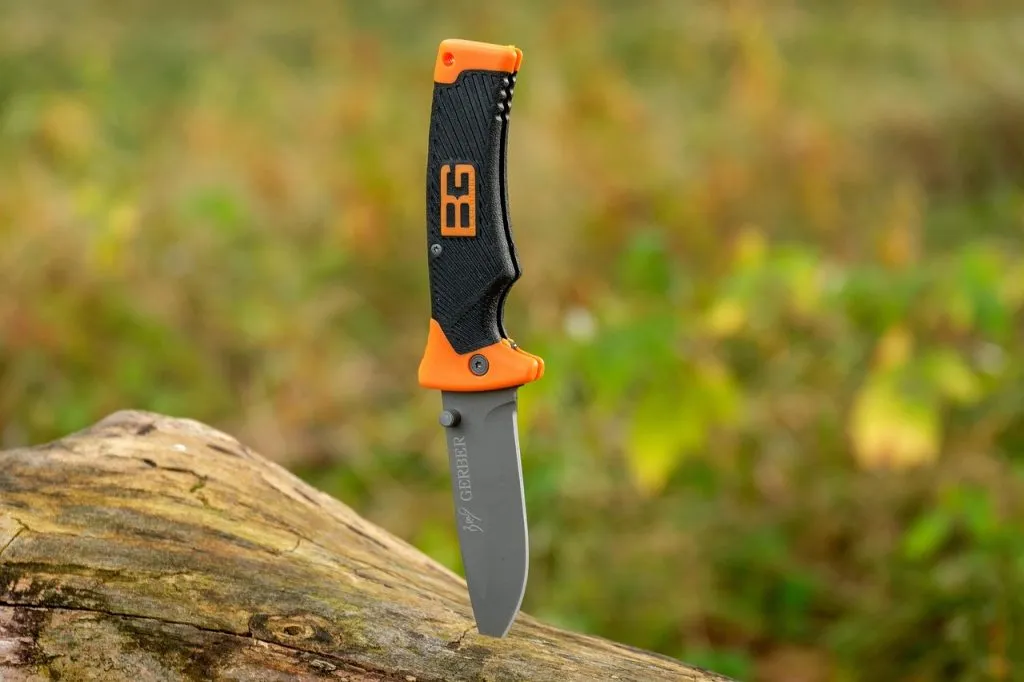
In short – no, because in real life the difference between a handy tool and a prohibited weapon is not always black and white.
Although the Law on Weapons and Ammunition imposes an absolute ban on the carrying of cold weapons, in reality it cannot be applied strictly to every sharp object. The reason is that the law does not define edged weapons through technical characteristics, but through their primary purpose.
Since the purpose arises entirely from the specific circumstances, courts and police must assess the stated purpose based on three key factors:
- Circumstances and place of discovery: A small folding knife or multi-tool (Swiss Army knife) found in a toolbox in the trunk of a car, or in a backpack while camping, may be treated as a tool. However, the same knife found in a jacket pocket at a nightclub, sports game, or public gathering may not be treated as a tool, but rather as an illegal weapon.
- Characteristics of the object itself: While length is not crucial, design is. Any knife that has dagger-like features (a blade on both sides), a tactical design, or a mechanism that allows for instant one-handed opening (like grasshopper or “butterfly” knives) can hardly be justified as a regular everyday utility tool.
- Behavior and statement of the person: If you answer the question "Why do you carry a knife?" with "For personal safety" or "If I need it for self-defense", you have just admitted that the purpose of that item is not a tool, thereby entering the zone of misdemeanor liability.
Fines and seizure of items
A person carrying a cold weapon in a public place may be fined from 20,000 to 150,000 dinars or imprisoned for up to 60 days.
Cold weapons may be seized in misdemeanor proceedings as the object used to commit the offense.
If you have any questions regarding the office's practice areas or the posts on this website, please feel free to contact us. All communication with the office is protected by the obligation of attorney-at-law confidentiality.